If you want to know more information (such as product/process price, etc.), please contact us 24-hour telephone
Global copper concentrate supply remains tight while demand continues to grow, driven by electrification, renewable energy, power grid expansion, and AI-related infrastructure. At the same time, developing new copper mines has become increasingly challenging due to longer permitting cycles, rising capital costs, and stricter environmental requirements.
As a result, many mining companies are focusing on upgrading existing copper processing plants rather than building entirely new operations. Modernizing an existing concentrator can increase recovery, improve concentrate quality, expand processing capacity, and deliver faster returns with lower capital investment.
However, many aging plants still operate with equipment and process flows designed years or even decades ago. Before planning a plant upgrade, it is essential to identify the production bottlenecks that limit performance.
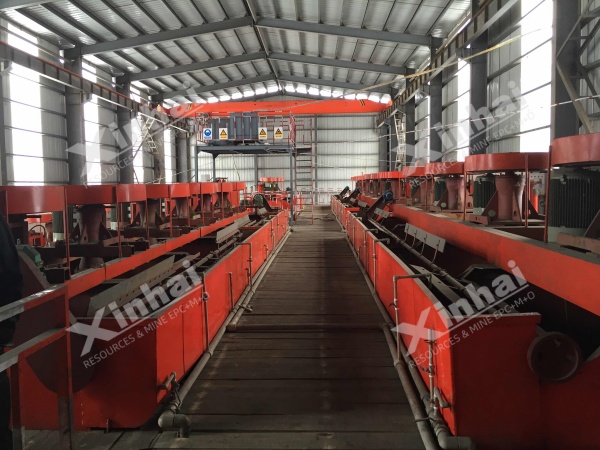
1. Inefficient Grinding and Classification
Older ball mills and hydrocyclone classification systems often produce inconsistent particle size distribution, resulting in inadequate mineral liberation and lower flotation recovery.
2. Excessive Flotation Reagent Consumption
Outdated flotation cells and insufficient agitation reduce reagent–slurry mixing efficiency, leading to high reagent consumption, poor flotation selectivity, and elevated impurity levels in the final copper concentrate.
3. Poor Separation of Associated Metals
Complex polymetallic ores—such as copper-molybdenum and copper-lead-zinc deposits—frequently lack dedicated separation circuits, preventing the production of separate marketable concentrates and limiting overall project value.
4. Insufficient Thickening and Dewatering Capacity
Existing thickeners and ceramic filters may no longer match increased mining throughput, resulting in excessive concentrate moisture, higher transportation and smelting costs, and constrained tailings handling capacity.
5. Non-Compliant Tailings Management
Legacy tailings transport and storage systems often lack dry stack tailings facilities and efficient water recovery, making it difficult to comply with today's environmental standards and green mining requirements.
6. Limited Process Automation
Many older concentrators still rely on manual process control. Slurry density, reagent dosage, and operating parameters are adjusted largely through operator experience, resulting in unstable plant performance and fluctuating metallurgical indicators.
| Common Bottleneck | Operational Impact | Typical Upgrade Strategy |
|---|---|---|
| Inefficient grinding | Poor mineral liberation | Grinding & classification upgrade |
| High reagent consumption | Higher OPEX | Flotation optimization |
| Poor polymetallic separation | Lower concentrate value | Dedicated separation circuits |
| Limited dewatering capacity | Higher transport and smelting costs | Thickening & filtration expansion |
| Manual process control | Unstable plant performance | Intelligent automation |
| Environmental non-compliance | Regulatory and operational risks | Dry stack tailings & water recycling |
Many operators face the decision of whether to optimize individual process bottlenecks or undertake a comprehensive plant expansion. The right approach depends on ore reserves, production targets, investment plans, and the remaining service life of the existing facility.
Targeted Process Upgrades
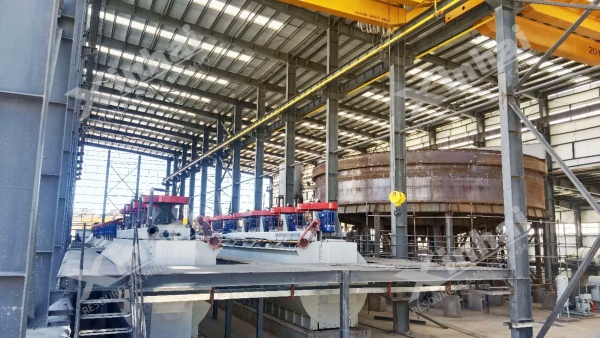
Focused improvements to grinding, flotation, or dewatering systems require relatively low capital investment and short construction schedules. These projects can often be completed in stages without shutting down the entire concentrator and typically improve overall copper recovery by 1–3%. This approach is well suited to operating mines seeking incremental performance improvements with limited capital expenditure.
Modular Capacity Expansion
For operations with sufficient ore reserves and long-term development plans, modular expansion provides a more comprehensive solution. Existing serviceable equipment is retained while complete crushing, grinding, and flotation modules are added to significantly increase plant throughput—often by more than 100%. Overall recovery can typically improve by 3–6%, although the initial investment is correspondingly higher.
Once the primary bottlenecks have been identified, upgrade solutions can be implemented individually or as part of a phased modernization program. Based on extensive experience from copper plant upgrade projects, the following optimization measures have proven effective.
Upgrade Grinding and Classification
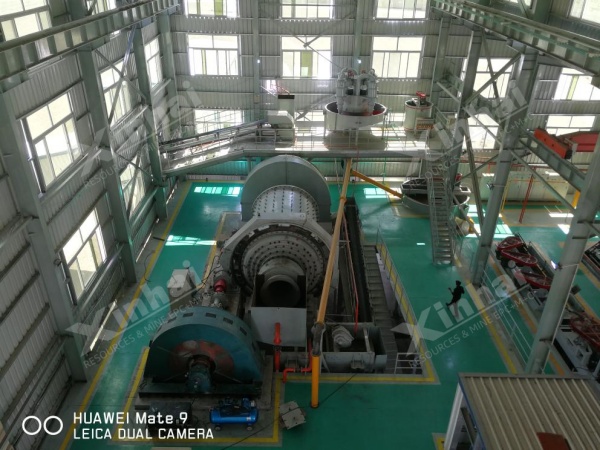
Add modular ball mill and hydrocyclone units alongside the existing circuit without major civil demolition. Phased construction allows grinding performance to be improved while maintaining ongoing production, delivering more consistent particle size and better mineral liberation.
Optimize the Flotation Circuit
Replace outdated flotation equipment with high-efficiency flotation cells, install additional conditioning tanks, and optimize the reagent regime to improve flotation selectivity, reduce reagent consumption, and increase copper concentrate grade.
Introduce Dedicated Polymetallic Separation Circuits
Install independent re-cleaning and scavenging circuits to separately recover copper, molybdenum, lead, and zinc concentrates, maximizing the value of complex ore bodies and creating multiple revenue streams from a single deposit.
Expand Thickening and Dewatering Capacity
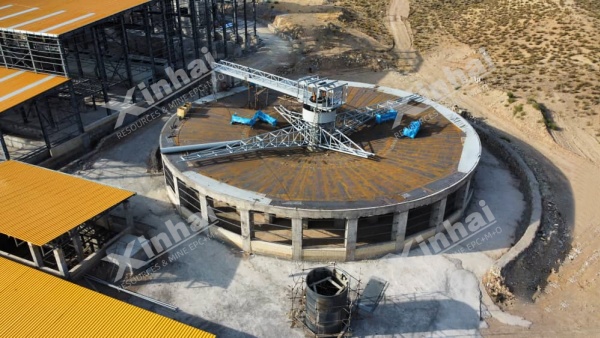
Increase processing capacity by installing additional thickeners and ceramic filters to reduce concentrate moisture while enabling high-density tailings transport and improving downstream tailings management.
Upgrade Environmental Infrastructure
Modernize tailings systems with dry stack tailings solutions, water recycling facilities, and online environmental monitoring to improve water recovery, reduce environmental impact, and support regulatory compliance.
Implement Intelligent Process Control
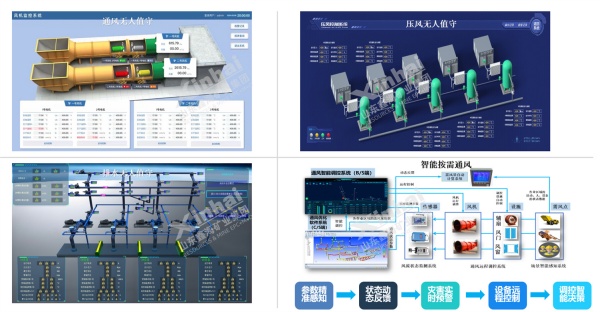
Deploy online slurry density measurement, level monitoring, automated reagent dosing, and centralized PLC-based process control to minimize manual intervention, improve operational stability, and maintain consistent metallurgical performance.
Upgrading an operating copper concentrator involves far more than replacing equipment. Existing plant layouts, operating schedules, utility systems, and ongoing production all need to be considered simultaneously.
An integrated EPC approach allows engineering design, equipment manufacturing, construction, automation, and commissioning to be coordinated under a single project team. This reduces interface risks, shortens project schedules, and minimizes production interruptions during construction.
For brownfield projects, phased construction, modular installation, and parallel commissioning are often critical to maintaining production while modernization work is underway. Selecting an EPC contractor with proven brownfield experience can significantly improve project execution and reduce operational risk.
Successfully implementing these upgrade strategies depends not only on selecting the right technologies, but also on choosing an EPC contractor with proven experience in brownfield copper plant modernization.
Key capabilities include:
An in-house mineral processing laboratory capable of conducting metallurgical testwork to optimize process flowsheets and reagent schemes based on the characteristics of the specific ore.
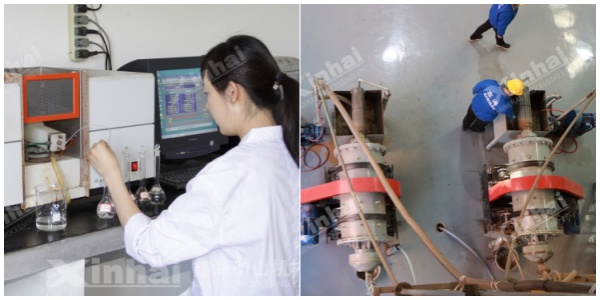
Integrated equipment manufacturing covering crushing, grinding, flotation, thickening, and dewatering systems, enabling customized solutions and shorter delivery schedules.
Brownfield construction expertise with standardized methodologies for phased construction, parallel modular installation, and maintenance-window execution to minimize production interruptions.
Specialized engineering for existing plants, maximizing the reuse of existing infrastructure while reducing demolition work, CAPEX, and construction time.
Integrated digital and environmental solutions, combining intelligent process control with dry stack tailings, water recycling, and environmental monitoring to simultaneously improve productivity, reduce operating costs, and achieve environmental compliance.
Xinhai has successfully delivered copper plant modernization projects, including the rehabilitation of a suspended copper operation in Namibia and the expansion of a 4,400 TPD polymetallic copper concentrator in Yunnan. In both projects, customized upgrade solutions were developed based on the existing plant layout, available equipment, and production objectives, resulting in higher processing capacity and improved metallurgical performance.
Every successful modernization project begins with a clear understanding of the ore, the existing plant, and the production objectives. If your copper processing plant is facing challenges such as low grinding efficiency, poor flotation recovery, or environmental compliance issues, a well-planned upgrade can unlock significant operational improvements without building an entirely new facility.
Xinhai provides customized modernization solutions based on ore characteristics, existing plant conditions, and production targets. From metallurgical testing and engineering design to equipment supply, construction, automation, and commissioning, our integrated EPC services help transform aging concentrators into more efficient, intelligent, and sustainable processing operations while maximizing copper concentrate production and long-term project value.
 +86 13811510145