If you want to know more information (such as product/process price, etc.), please contact us 24-hour telephone
A tax change in Kazakhstan is pushing miners to build concentrators at home rather than export ore.
Use the table of contents below to navigate through the guide:
On 18 September 2026, Kazakhstan approved a two-year delay in its new mining royalty regime. A royalty is a payment to the state based on a mine's output or sales. Under the proposed structure, the rate is tied to sales and set at 13% on run-of-mine ore, 10% on concentrate, and 7% on refined metal — a ladder that taxes deeper processing at a lower rate. The rules apply only to new licences issued from 2027, and the tax treatment of tailings and by-product recovery is still under discussion (The Times of Central Asia, 2026-09-18).
For owners of Kazakh assets, the tax code is steering value addition inside its borders. A mine that ships ore pays the top tier; one that builds a concentrator and ships concentrate or metal steps down the ladder.
| Tier | Proposed rate | What it means for plant owners |
| Run-of-mine ore | 13% | Highest tier — exporting rock leaves the most margin with the state. |
| Concentrate | 10% | Building a concentrator in-country drops a project one step down. |
| Refined metal | 7% | Deepest processing is taxed lightest, rewarding in-country plants. |
A royalty that falls as ore moves down the value chain changes the economics of the whole project, not just the tax line. When concentrate and metal are taxed below ore, building a plant in-country becomes cheaper than exporting rock and letting someone else capture the margin. That single incentive shifts a developer's default decision from "ship ore" to "build a concentrator," and concentrator demand follows.
The effect compounds for polymetallic ores. A deposit that yields lead-zinc concentrate and dore gold (a mixed gold-silver bullion) — as several Kazakh projects now planned — gains twice: it avoids the ore tier and lands in the lower concentrate and metal tiers at once. Beneficiation — upgrading ore into concentrate — captures that double saving.
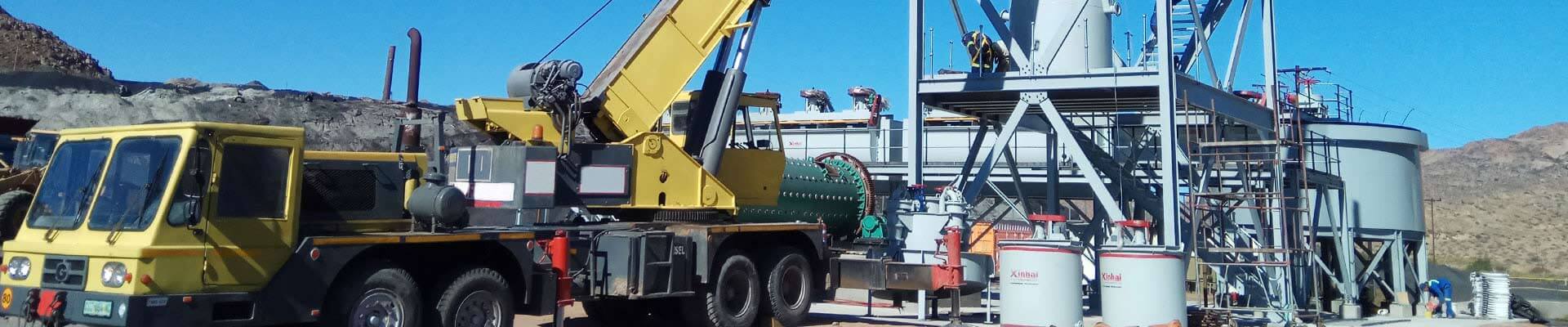
A concentrator is not a single machine but a turnkey system. Under an EPC+M+O model — an integrated delivery covering engineering, procurement, construction, plus mine management and operation — the scope runs from testwork to steady-state operation:
| Stage | What the contractor covers |
| E — Engineering and research | Metallurgical testwork and mine design, including feasibility studies. |
| P — Procurement and manufacturing | Equipment manufacturing, materials procurement, packing and shipping. |
| C — Construction and commissioning | Civil works, installation, process commissioning and worker training. |
| M — Management | Construction management, schedule, quality, safety and logistics. |
| O — Operation | Production, equipment, safety, environmental and financial management. |
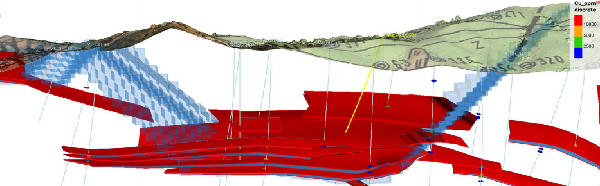
Everything starts with metallurgical testwork (laboratory and pilot testing that fixes the flowsheet and design parameters for a specific ore). The flowsheet then drives mine design, equipment manufacturing and procurement, civil works, and installation and commissioning. A developer weighing the 2029 window should treat testwork and a bankable feasibility study as the first, schedule-gating step. Xinhai frames this turnkey path as Mineral Processing EPC+M+O, with mine design grounded in site investigation.
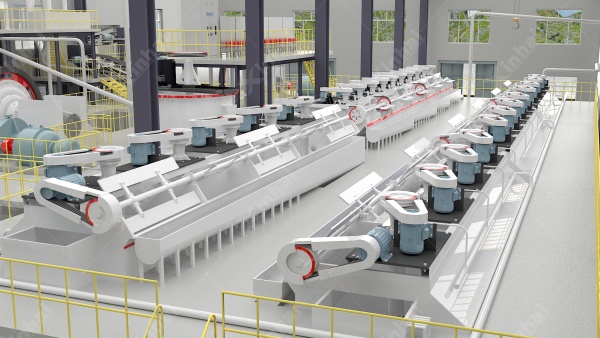
Xinhai's presence in Central Asia is operational, not theoretical. In Kazakhstan, the group delivered a 1.5 Mtpa (about 5,000 t/d) copper flotation plant under EPC — a sulfide ore with a design feed grade near 0.86% Cu, producing a 22% Cu concentrate at roughly 90% recovery. In Uzbekistan, a 1 Mtpa tungsten tailings beneficiation plant entered the installation phase in 2026.
These references show the same capability the tax now rewards: building the concentrator in-country rather than exporting ore. Xinhai's EPC+M+O track record spans more than 600 projects across 70-plus ore types and 100-plus countries, covering non-ferrous metal and gold flotation flowsheets. See the project cases for delivered plants.
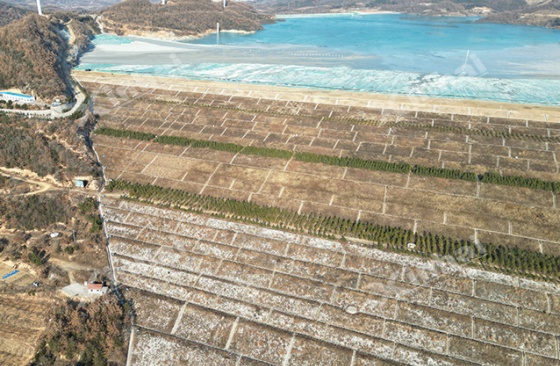
A concentrator inevitably produces tailings, and a tailings storage facility (TSF, an engineered impoundment for storing mine tailings) is part of the plant scope. But it is one package among many — design, construction and monitoring sit inside the broader EPC+M+O delivery, not above it. For a Kazakh project, the TSF is scoped alongside the concentrator, not as the headline.
Kazakhstan delayed its new royalty regime by two years and proposed a sales-linked ladder: 13% on ore, 10% on concentrate, 7% on metal. The rules bind only licences issued from 2027, and tailings and by-product tax rules remain under discussion. The design deliberately rewards deeper processing with lower rates.
Because the royalty falls as ore moves down the value chain, a plant that ships concentrate or metal pays less than one that exports ore. That narrows the gap between building in-country and shipping rock, so developers default to constructing a concentrator — and concentrator EPC demand rises with it.
It spans five stages: metallurgical testwork, mine design, equipment manufacturing and procurement, construction and commissioning, then management and operation. Testwork and a bankable feasibility study gate the schedule; they should start first for any project chasing the 2029 window.
Yes, as a contractor. Xinhai delivered a 1.5 Mtpa copper flotation EPC plant in Kazakhstan and is installing a 1 Mtpa tungsten tailings beneficiation plant in Uzbekistan. These are capability references for the region's processing push, not claims of involvement in any specific news event.
For owners and investors, the practical first move is the same regardless of the headline: run metallurgical testwork and a feasibility study on the specific ore and site, then scope an EPC+M+O package. That sequence is what turns a tax incentive into a plant that actually runs.
If you are weighing a Kazakh processing project, we can discuss the testwork-to-operation path that takes a concentrator from incentive to steady production.
 +86 13811510145