If you want to know more information (such as product/process price, etc.), please contact us 24-hour telephone
Building a mineral processing plant in Mongolia's extreme cold requires far more than standard EPC execution. With winter temperatures dropping to -30°C, construction schedules, equipment installation, and material handling all become significantly more challenging. Through a carefully planned two-phase construction strategy, Xinhai Mining successfully built and delivered a 1,000 t/d zinc processing plant on schedule, demonstrating its capability to execute EPC projects in some of the world's harshest mining environments.
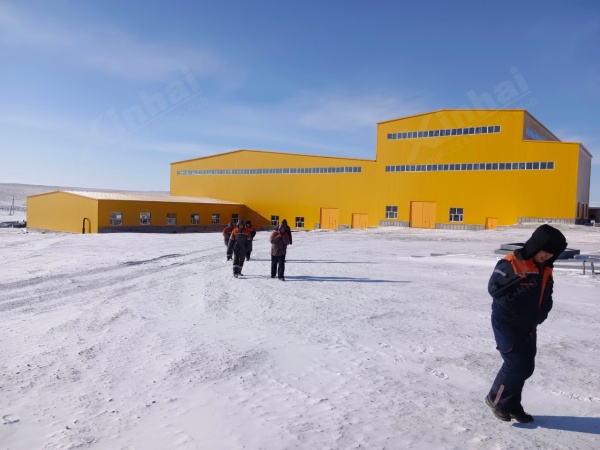
The owner of the Mongolia 1,000 t/d Zinc Mine EPC Project is Mongolian Mining Company, a long-standing client of Xinhai Mining.
Under the EPC contract, Xinhai provided a complete turnkey solution covering mineral processing plant engineering design, equipment manufacturing, cross-border transportation, on-site installation, and commissioning.
The partnership began in 2018, when Xinhai successfully delivered the client's 3,500 t/d iron ore processing plant. Since then, the client's subsequent gold mineral processing test work has also been carried out by Xinhai's laboratory.
The client's decision to award this project directly to Xinhai—without comparing alternative equipment suppliers—reflects years of proven performance. Building on the successful delivery of the previous iron ore project and continued technical collaboration, the client entrusted Xinhai with the complete zinc flotation plant and dry stack tailings system, reaffirming its confidence in Xinhai's EPC capabilities.
Extreme cold shaped almost every aspect of project execution. The mine experiences sub-zero temperatures for much of the year, with winter lows reaching -30°C and snowfall continuing into May. Under these conditions, rubber seals become brittle, outdoor equipment installation slows considerably, and conventional construction schedules become difficult to maintain.
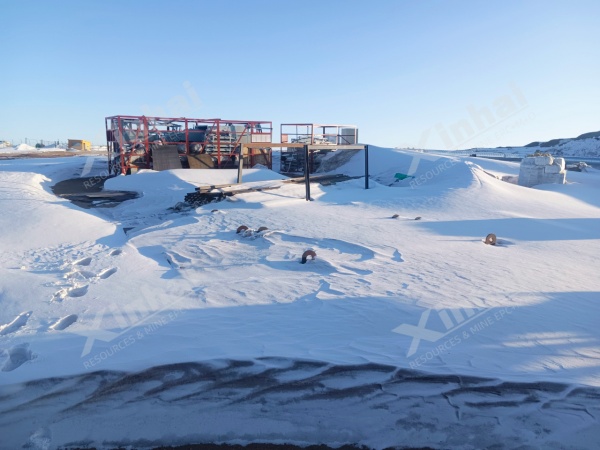
Where many local contractors suspend construction until spring—typically delaying plant commissioning by one to three months—Xinhai adopted a phased construction strategy to maintain the overall project schedule.
Phase 1: Completing Outdoor Works Before Extreme Winter
Construction commenced in September 2025 with a team of 20 personnel, taking advantage of the relatively moderate autumn period before extreme winter conditions arrived. During this stage, all outdoor equipment foundations and piping systems were completed. Following substantial completion in November, the site team was temporarily demobilized.
Phase 2: Continuing Indoor Installation Throughout Winter
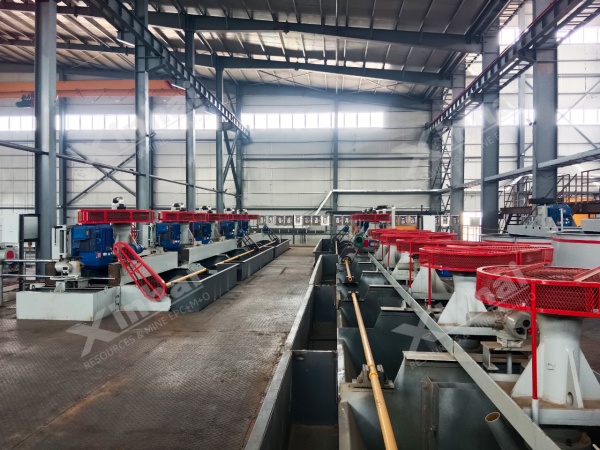
Once the plant heating system became operational in December, a specialized team consisting of 11 welders, 2 electricians, and project management personnel returned to complete the installation of the indoor flotation equipment.
Dynamic Workforce Optimization
Construction manpower was adjusted according to project requirements. During lower-activity periods, the on-site workforce was reduced to eight personnel, while a dedicated automation engineer remained assigned to the project. This flexible resource allocation reduced monthly labor costs by 32% without affecting construction progress.
Practical Cold-Weather Protection Measures
To minimize weather-related risks, sealing components were stored in temperature-controlled indoor facilities, while outdoor work was scheduled during the warmest daylight hours. Throughout construction, no structural components were damaged by freezing, and no prolonged weather-related shutdowns occurred, ensuring all key project milestones were achieved as planned.
Once the plant construction was completed, the project entered commissioning with a processing flowsheet specifically designed for the mineral characteristics of the zinc ore.
The 1,000 t/d zinc processing plant adopts a complete closed-loop beneficiation flowsheet tailored to the mineralogical characteristics of the ore.
The process includes:
Two-stage crushing → Grid ball mill grinding and classification → Zinc flotation (one roughing, three scavenging, and three cleaning stages) → Concentrate thickening, filtration, and dewatering
The optimized flotation circuit produces high-grade zinc concentrate that meets local smelter acceptance specifications.
Beyond overcoming construction challenges, the project also incorporated technologies suited to remote mining operations, including Xinhai's dry stack tailings system and modular thickener design.
The dry stack tailings system successfully met Mongolia's environmental approval requirements while reducing long-term tailings management risks.
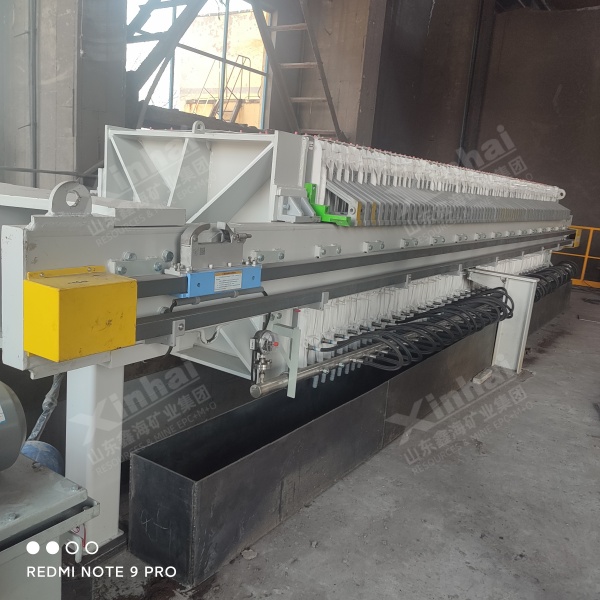
A key engineering highlight of the project is the first large-scale application of Xinhai's modular bolted thickener design. The thickener tank is divided into transportable modules, eliminating the need for extensive field welding.
Compared with conventional integral structures, the maximum transportation weight of individual components was reduced by 65%, significantly lowering oversized logistics costs and making transportation more practical for Mongolia's remote mining regions.
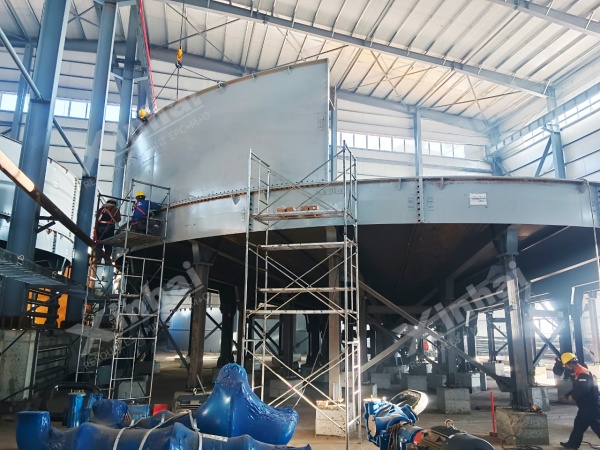
By July 2026, EPC installation had been fully completed, and the plant entered no-load electrical commissioning.
During routine inspections, Xinhai's site team identified a critical issue unrelated to the processing plant itself: a 20-kilometer external water supply pipeline had never undergone hydrostatic pressure testing. If left unresolved before commissioning, the issue could potentially delay ore feeding and production startup by 15–30 days.
Xinhai immediately reported the risk to the client, incorporated it into the project tracking system, and continued monitoring corrective actions until resolution.
This proactive project management approach highlights the difference between a true EPC contractor and suppliers that only deliver equipment without coordinating the entire project execution process.
Constructing mineral processing plants in Mongolia, Russia, Kazakhstan, and other high-latitude mining regions presents unique engineering challenges, including shortened construction seasons, prolonged winter conditions, and demanding logistics. Successfully delivering these projects requires not only reliable equipment, but also construction planning tailored to extreme climates.
The successful delivery of this 1,000 t/d zinc flotation plant demonstrates Xinhai Mining's ability to execute EPC projects under extreme climatic conditions. Continuous construction at -30°C, combined with the confidence of a returning client, reflects the company's proven expertise in engineering, construction management, and mineral processing plant delivery.
FAQ 1: What are the biggest challenges of building a mineral processing plant in extreme cold climates?
Building a mineral processing plant in extreme cold presents several engineering and construction challenges. Low temperatures can reduce the performance of rubber seals, hydraulic systems, lubricants, and electrical components, while snow and frozen ground complicate equipment installation and material transportation. In many high-latitude mining regions, construction is suspended during winter, often delaying project schedules by several months. Successful delivery requires climate-specific engineering, phased construction planning, and appropriate cold-weather protection measures.
FAQ 2: How can EPC contractors keep construction on schedule during harsh winters?
Experienced EPC contractors minimize winter delays by adjusting construction sequencing rather than stopping work altogether. Outdoor civil works and piping are typically completed before the coldest months, while indoor equipment installation continues after heating systems are operational. Workforce allocation, temperature-controlled material storage, and carefully planned daily work schedules also help maintain construction progress while controlling costs.
FAQ 3: What should mining companies look for when selecting an EPC contractor for cold-climate projects?
Mining companies should evaluate whether the contractor has proven experience delivering projects in cold-climate environments, rather than simply supplying equipment. Key capabilities include climate-adapted engineering design, logistics planning for remote regions, flexible construction management, commissioning support, and the ability to identify project risks before they affect startup. A contractor with successful cold-region EPC references is generally better positioned to deliver projects on schedule and reduce operational risks.
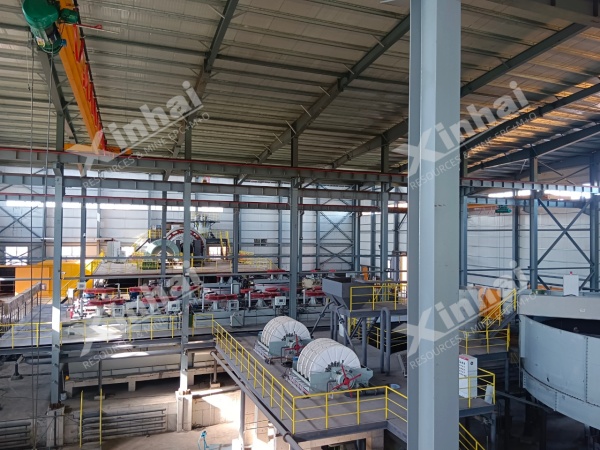
Whether developing a new zinc mine in Mongolia or another mining project in a high-latitude region, Xinhai provides customized EPC solutions designed around local climate conditions, ore characteristics, and construction constraints. From engineering and equipment manufacturing to installation and commissioning, Xinhai helps clients build processing plants with predictable schedules—even under extreme cold conditions.
 +86 13811510145