If you want to know more information (such as product/process price, etc.), please contact us 24-hour telephone
Polymetallic ores contain multiple valuable metals that are often closely associated, making efficient separation challenging. Conventional beneficiation methods may result in low concentrate grades, poor metal recovery, and high operating costs. Professional beneficiation testing helps identify ore characteristics, evaluate processing options, and develop optimized flowsheets before plant construction. This article explains the key challenges of polymetallic ore beneficiation, the testing process, and practical project examples.
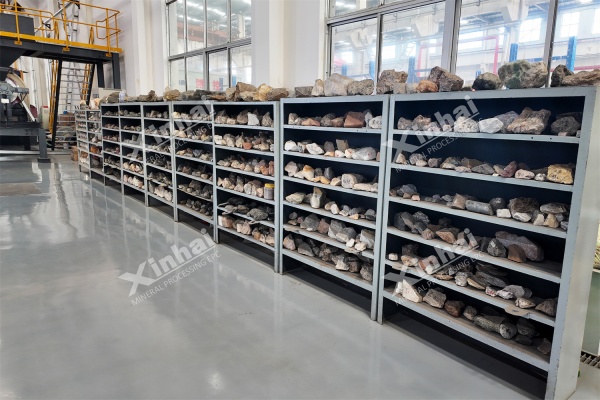
Several mineralogical factors make polymetallic ores particularly challenging to process.
1. Closely associated minerals reduce liberation efficiency. Incomplete mineral liberation during grinding can significantly reduce separation performance and metal recovery.
2. Similar flotation characteristics make selective separation difficult. Different sulfide minerals may exhibit similar flotation behavior and report to the same concentrate.
3. Oxidation and slime generation can negatively affect flotation performance. Fine slime will attach to mineral surfaces and interfere with the normal flotation process.
4. Different recovery targets and economic considerations increase process complexity. We need to balance the recovery rate of each metal and control production costs at the same time.
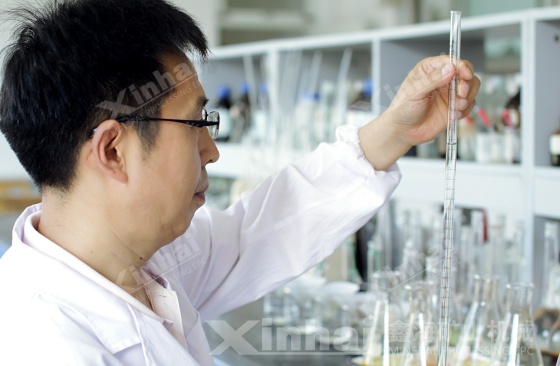
Because polymetallic ores vary significantly in mineral composition and metallurgical behavior, beneficiation testing is essential before plant design and construction.
Professional test work helps:
Reduce technical and investment risks by identifying potential processing challenges early.
Develop ore-specific process flowsheets that maximize the recovery of valuable metals.
Optimize operating parameters, reagent consumption, and energy usage to improve overall project economics.
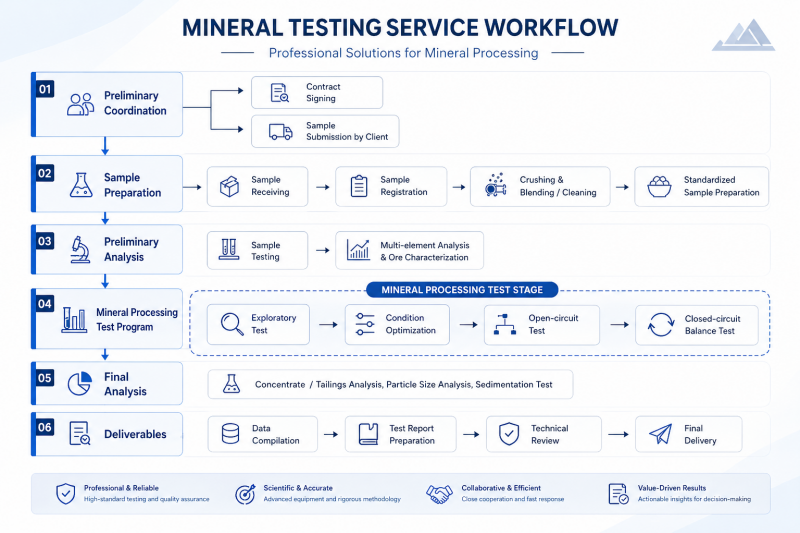
A professional beneficiation testing program follows a systematic process to evaluate ore characteristics and develop the most effective processing solution. The main steps typically include:
1. Mineralogical Analysis
The testing process begins with detailed mineralogical studies to identify valuable minerals, gangue minerals, mineral associations, particle size distribution, and liberation characteristics. Understanding the ore's mineralogy provides the foundation for process selection and optimization.
2. Process Route Evaluation
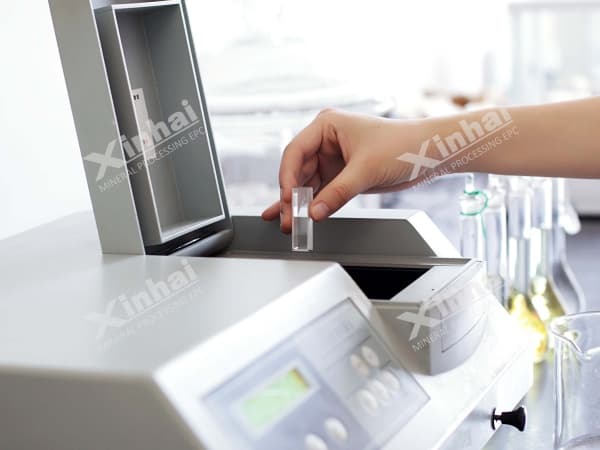
Based on the mineralogical results, different beneficiation methods—including flotation, gravity separation, cyanide leaching, magnetic separation, or combined flowsheets—are tested and compared to determine the most suitable processing route.
3. Process Parameter Optimization
Once a preliminary flowsheet is selected, key operating parameters are optimized through laboratory testing. These parameters may include grinding fineness, reagent types and dosages, pulp density, pulp pH, flotation residence time, and other factors that affect metallurgical performance.
4. Closed-Circuit Simulation Testing
The final stage involves closed-circuit testing to simulate continuous plant operation. These tests verify process stability and generate reliable data on concentrate grade, metal recovery, and overall process performance. The results provide critical support for plant design, equipment selection, and economic evaluation.
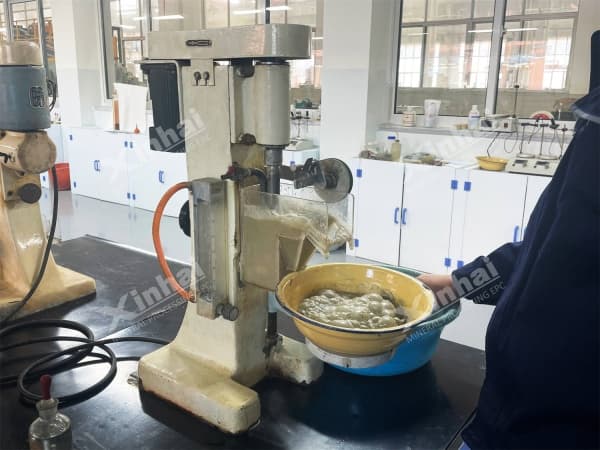
With more than 30 years of experience in mineral processing test work, Xinhai Mining has completed numerous beneficiation testing projects for complex polymetallic ores worldwide, including sulfide ores, oxide ores, and mixed ores.
1. Gold Polymetallic Ore Project, Laos
This deposit contains gold as the primary valuable mineral, with copper, lead, and zinc as associated metals.
Based on the ore characteristics, flotation was used to produce a gold-bearing concentrate, while flotation tailings were subsequently treated through cyanide leaching. Lead and zinc were also recovered, improving overall project economics.
2. Copper-Gold Ore Project, Nicaragua
This international project featured a copper grade as high as 3.21%, with gold and silver as important associated metals.
The test program produced a copper-gold concentrate through flotation. Flotation tailings were further processed by cyanide leaching to recover additional gold, achieving efficient utilization of multiple valuable metals.
3. Copper-Lead-Zinc-Silver Polymetallic Ore Project, Tajikistan
Silver was the primary target metal, accompanied by low-grade copper, lead, and zinc.
A combined process consisting of silver flotation followed by cyanide leaching of flotation tailings was adopted. Multiple valuable metals were recovered simultaneously.
Final results included:
Silver concentrate grade: 3,294.25 g/t
Silver recovery during flotation: 72.80%
Overall silver recovery: 88.16%
4. Bianbianshan Copper-Lead-Zinc Polymetallic Ore Project, Inner Mongolia, China
The ore exhibited complex associations among copper, lead, and zinc minerals, making separation particularly challenging. Xinhai adopted a preferential flotation process for copper, lead, and zinc, optimized the grinding fineness to 73% passing 200 mesh, and refined the reagent scheme.
Final test results achieved:
Copper concentrate grade: 25.49%, recovery: 90.48%
Lead concentrate grade: 46.43%, recovery: 60.00%
Zinc concentrate grade: 47.49%, recovery: 89.07%
Efficient separation and recovery of all three metals were successfully achieved.
5. Huaxia Mining Copper-Lead-Zinc Project, Tibet, China
Located in a high-altitude region, this deposit primarily contains lead and zinc, with low-grade copper and silver as associated metals.
A preferential flotation process was adopted, and lead-zinc separation parameters were optimized. Silver was effectively enriched into the lead concentrate, enabling comprehensive recovery of multiple valuable elements.
6. Polymetallic Ore Exploration Testing Project, Tibet, China
For an ore body with uncertain mineral characteristics, exploratory beneficiation testing was conducted. Through multiple comparative test programs, grinding fineness and reagent schemes were continuously optimized, ultimately establishing a feasible process route for the comprehensive recovery of copper, lead, zinc, and silver.
Technical Expertise in Complex Polymetallic Ores
Our team consists of senior experts with 20 to 30 years of industry experience. We excel at processing sulfide ore, oxide ore, and mixed ore, and master flotation, gravity separation, cyanide leaching, and various combined beneficiation technologies. We also create fully customized process solutions according to ore properties and test results. We have undertaken polymetallic ore beneficiation EPC projects.
Global Project Experience
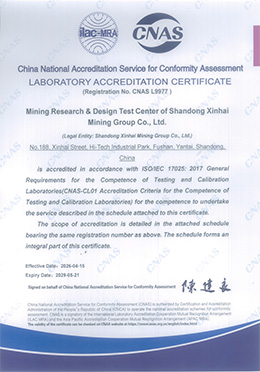
We offer full-industry-chain EPC+M+O mining services, having served over 2,500 mines and completed more than 600 EPC projects globally. Backed by a worldwide service network and professional international teams, we ensure smooth handover from beneficiation testing to plant construction and on-site operation.
1. What is polymetallic ore?
It refers to ore containing two or more valuable metal elements. These minerals grow closely together inside the rock, making them different from single-metal ores.
2. Which metals are commonly recovered from polymetallic ores?
Copper, lead, zinc, gold, and silver are the most common recovered metals. Most multi-metal mines aim to extract and utilize these valuable elements comprehensively.
3. Why is beneficiation testing important?
It helps determine proper processes and avoid risks for ore processing. Reliable test data also optimizes production parameters and improves the final metal recovery rate.
4. Which beneficiation method is best for polymetallic ores?
Flotation combined with leaching or gravity separation is widely applied. We select matched technical combinations based on the actual properties of different ores.
5. How long does beneficiation testing take?
It generally takes one week to one month depending on specific ore conditions. Complex polymetallic ores usually require longer testing cycles to verify stable process schemes.
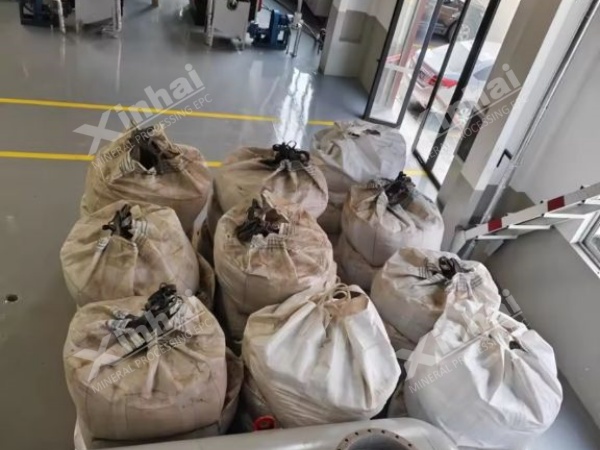
If you are evaluating a polymetallic deposit, planning a new processing plant, or looking to improve the performance of an existing operation, professional beneficiation testing can significantly reduce technical uncertainty and improve project economics.
Whether your challenges involve complex mineral associations, low metal recovery, unstable concentrate quality, or high operating costs, Xinhai's technical team can help identify the most effective processing solution for your ore.
Based on your ore samples, site conditions, and production objectives, we will develop a customized beneficiation testing program, provide detailed technical reports, and recommend practical process improvements. Backed by more than 30 years of mineral processing experience, over 2,500 mines served, and more than 600 EPC projects completed worldwide, Xinhai helps clients maximize metal recovery, optimize operating costs, and build profitable, sustainable mining operations.
Contact us today to discuss your project and receive a customized beneficiation testing solution
 +86 13811510145