If you want to know more information (such as product/process price, etc.), please contact us 24-hour telephone
In many low-grade phosphate deposits, impurities such as dolomite, quartz, and clay minerals significantly reduce beneficiation efficiency. Conventional phosphate flotation alone may struggle to achieve both high phosphate concentrate grade and stable operating performance, particularly when multiple impurities are present. As a result, beneficiation testing plays a critical role in phosphate ore beneficiation.
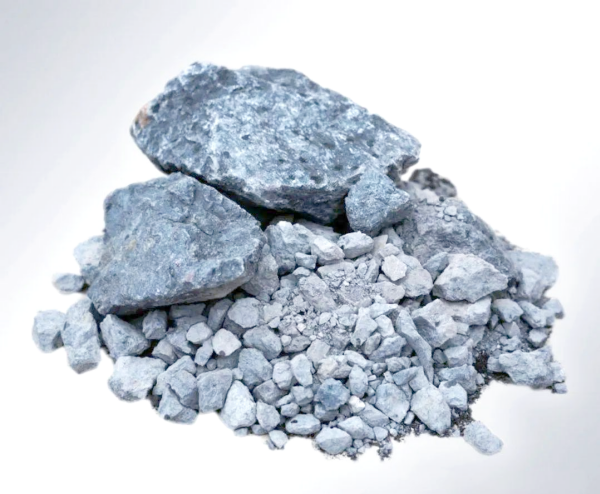
Low-grade phosphate ores often contain multiple impurity types that respond differently during flotation. When impurity characteristics are not fully understood, conventional flotation circuits may suffer from high reagent consumption, unstable concentrate quality, and limited plant throughput. Beneficiation testing helps identify the most effective impurity removal strategy and provides a reliable basis for process design and optimization.
Two main gangue impurities restrict phosphate rock flotation and commercial production: dolomite-based magnesium impurities and quartz-silicate silicon-aluminum impurities, with distinct harmful impacts on whole production lines.
Magnesium impurities: Magnesium reduces phosphate flotation selectivity. Higher reagent dosages are often required to achieve acceptable separation performance, significantly increasing operating costs. Besides, magnesium impurity increases acid consumption in downstream chemical processing and can negatively affect concentrate quality.
Silicon and aluminum impurities: These mineral impurities turn into fine slime after ore grinding. Viscous flotation froth caused by slime reduces flotation efficiency and selectivity. In addition, fine ore slime accelerates mechanical abrasion of flotation and grinding equipment, reducing overall plant throughput.
Worse still, all impurities intergrow tightly inside low-grade phosphate ore. Fine grinding triggers severe slime generation, making simultaneous one-step impurity removal technically difficult.
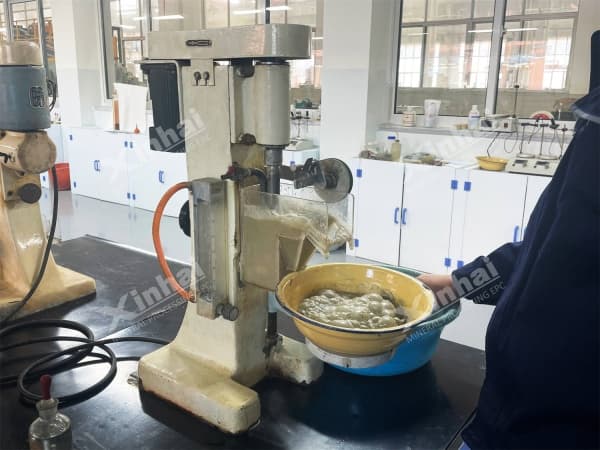
Without sufficient test work, a flotation process may not be properly matched to ore characteristics. This can result in several operational challenges:
1. Lower flotation selectivity: Mutual interference among various impurities worsens flotation selectivity, leaving unqualified impurities in phosphate concentrate;
2. Reduced plant throughput: Prolonged flotation cycle for impurity control limits equipment handling throughput and restricts mine output;
3. Higher reagent consumption: High reagent dosage increases long-term operation cost;
4. Unstable concentrate quality: Ore property slight fluctuation causes unstable production indexes.
Professional beneficiation testing provides the technical foundation for efficient phosphate beneficiation by matching process design to actual ore characteristics.
A phosphate beneficiation testing program typically includes several stages. Each stage is evaluated independently to ensure accurate and reliable results while minimizing interference between test variables.
1. Mineralogical Analysis: Determine mineral occurrence, liberation characteristics, and gangue mineral distribution to support process development.
2. Grinding Tests: Identify the optimal grinding fineness to balance mineral liberation and slime control.
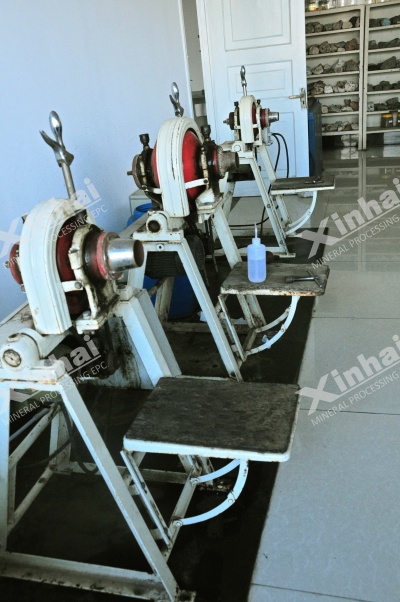
3. Flotation Tests: Evaluate staged flotation strategies for the selective removal of magnesium, silicon, and aluminum impurities.
4. Reagent Optimization: Optimize reagent types and dosages to improve flotation efficiency while reducing reagent consumption.
5. Pilot Testing: Verify process stability and equipment suitability under conditions that simulate actual plant operation.
The testing program follows a staged impurity removal strategy, removing easier-to-separate impurities first and treating more difficult gangue minerals in later stages.
Step 1: Pre-separation Waste Rejection (Scrubbing / X-ray Dry Separation)
Operation: Raw ore is crushed and screened before scrubbing or X-ray sorting removes surface slime and waste rock.
Purpose: Reduce MgO content and minimize the impact of magnesium-bearing minerals on downstream flotation.
Step 2: Priority Magnesium Removal (Primary Reverse Flotation)
Operation: Grind ore samples and prepare mineral slurry; add dedicated regulators to remove dolomite magnesium impurities.
Purpose: Control MgO index standard and eliminate magnesium interference for subsequent deep purification.
Step 3: Deep Silicon & Aluminum Removal (Secondary Cleaning Flotation)
Operation: Add slime dispersant, adopt secondary flotation to strip residual silicon-aluminum fine slime.
Purpose: Further purify phosphate concentrate to meet commercial product standards.
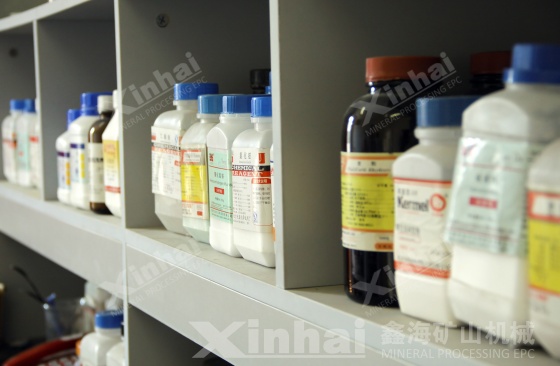
Test Raw Ore Condition: Typical low-grade phosphate ore, raw ore P₂O₅=24%, MgO=4.2%, excess silicon-aluminum slime. The following test results are based on a representative low-grade phosphate ore sample containing elevated magnesium and silicate impurities.
| Comparison Item | Traditional Single Flotation | Staged Impurity Removal Process |
| Phosphate Concentrate Grade | 32.5% | 34.0% |
| Final MgO Content | 1.6% (Unqualified) | <0.8% (Qualified) |
| Comprehensive Ore Recovery Rate | 81% | 93% |
| Production Performance | High reagent consumption, limited daily output | Reagent saving, higher equipment throughput |
Case Conclusion: These results demonstrate the effectiveness of staged impurity removal in phosphate ore beneficiation. The optimized process produced a higher-grade phosphate concentrate while reducing impurity levels.
Laboratory-scale testing demonstrates technical feasibility, but it cannot fully replicate actual plant conditions. Factors such as variations in ore characteristics, water quality, temperature, and feed rate can affect plant performance during commercial operation.
To guarantee stable operation of a phosphate processing plant, professional pilot testing is essential to simulate real mining working conditions, verify process stability and full-set equipment adaptability.
We have sorted out full working condition simulation, key detection points, and troubleshooting solutions for phosphate rock pilot testing. Learn more: Full Analysis of Phosphate Ore Pilot Testing
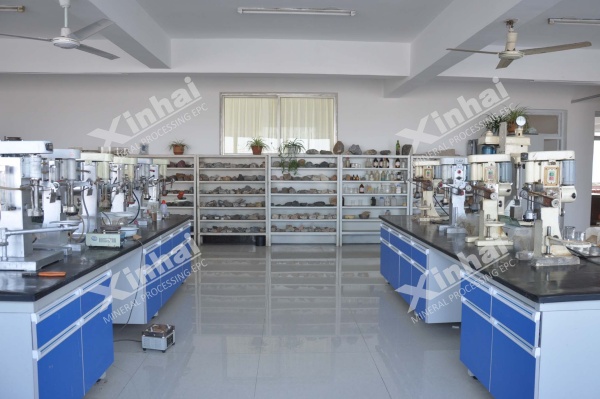
CNAS-Certified Testing Laboratory: CNAS-certified laboratory with customized testing programs for various phosphate ore types
Custom Staged Process Design: Targeted impurity removal scheme against magnesium, silicon, and aluminum gangue
Lab-Pilot-Industrial Whole Process Service: Connect bench test, pilot test, and plant commissioning seamlessly
Experience Across Global Phosphate Projects: Extensive experience in phosphate beneficiation projects across Asia, Africa, South America, and other mining regions
Integrated EPC and Technical Support: Ore test, process design, equipment supply, installation, and commissioning integrated support
Q1: Why is a single phosphate flotation stage often insufficient for low-grade phosphate ore?
A: Magnesium and silicon-aluminum impurities interfere mutually during one-step flotation, leading to excessive impurity levels, lower recovery rates, and higher reagent consumption.
Q2: What is the core advantage of staged impurity removal testing?
A: Remove impurities step by step to avoid mutual interference, consistently reduce MgO levels, improve concentrate grade, and cut down mine operation cost.
Q3: Is pilot testing necessary for phosphate rock beneficiation?
A: Yes. Pilot testing eliminates site production risks and ensures laboratory test schemes fit actual mineral plant operation.
Whether you are evaluating a low-grade phosphate deposit, planning a new phosphate processing plant, or upgrading an existing operation, our technical team can help develop a customized beneficiation testing program tailored to your ore characteristics and production objectives.
Contact us today to discuss your project and receive professional recommendations for phosphate ore beneficiation, impurity removal, and process optimization.
Backed by extensive laboratory, pilot-scale, and engineering experience, Xinhai provides customized phosphate beneficiation solutions designed to maximize concentrate grade, improve recovery, and reduce operating costs.
 +86 13811510145