If you want to know more information (such as product/process price, etc.), please contact us 24-hour telephone
Achieving zero discharge of silver tailings requires an integrated approach that combines residual silver recovery, tailings reuse, and closed-loop wastewater recycling.
This article outlines the key technologies and strategies through seven common questions.
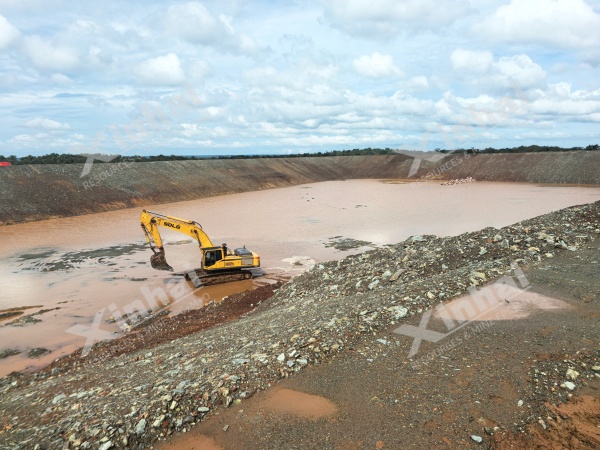
Most silver tailings still contain recoverable silver. Conventional flotation and cyanidation processes are often inefficient at recovering ultrafine and poorly liberated silver particles, leaving part of the silver trapped in the tailings.
In the industry, silver grades in tailings are commonly within the range of 30–150 g/t, while some old tailings storage facilities (TSFs) may contain even higher silver grades comparable to low-grade primary ores.
Allowing residual silver to accumulate without secondary recovery not only wastes valuable resources but also increases the environmental management burden of subsequent tailings treatment.
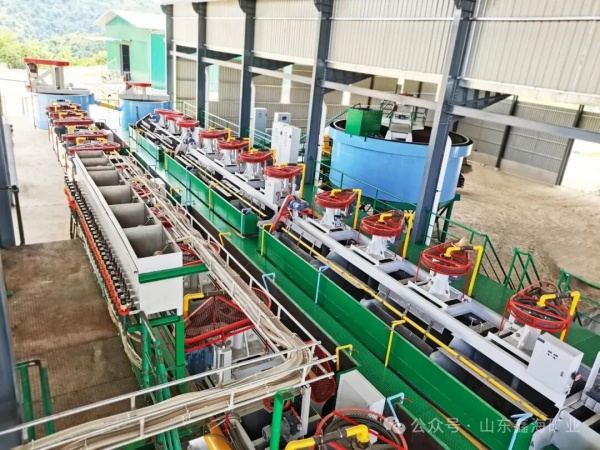
Residual silver recovery processes are designed to maximize recovery efficiency while minimizing material losses. Several proven and commercially established technologies are already widely used in the industry. Different types of tailings require different process routes:
Sulfide tailings: A combined gravity separation + flotation process is commonly adopted. Waste rock is first rejected through rough gravity separation, followed by cleaner flotation to concentrate silver-bearing minerals.
Highly oxidized tailings with high clay content: Regrinding for mineral liberation, enhanced flotation, and cleaner leaching technologies are typically used in combination.
Reprocessing of old TSF: Classification and desliming, combined with high-efficiency flotation technology, are used to recover silver minerals with complex silver mineral associations.
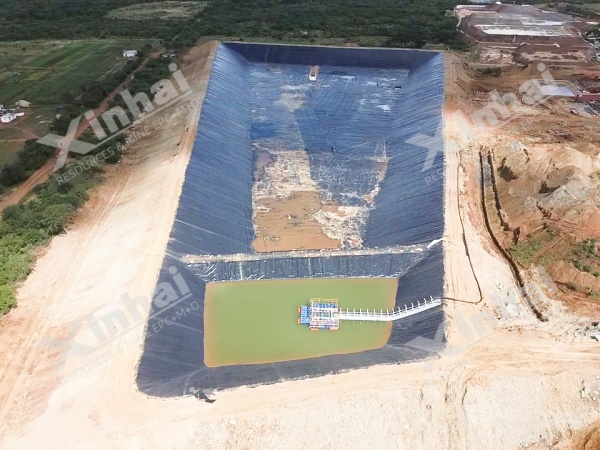
After silver extraction is completed, the remaining tailings can be reused in a variety of large-scale applications, with overall tailings reuse rates exceeding 95%, fundamentally eliminating the need for conventional tailings storage.
Underground cemented backfill: Tailings are converted into paste backfill materials and pumped into underground mined-out areas, offering high tailings disposal capacity and improved operational safety.
Construction material applications: Tailings can be processed into non-fired bricks, ceramsite, cement additives, road base materials, and other building materials.
Ecological restoration: Tailings may be blended into soil improvement substrates for mine land rehabilitation and ecological restoration projects.
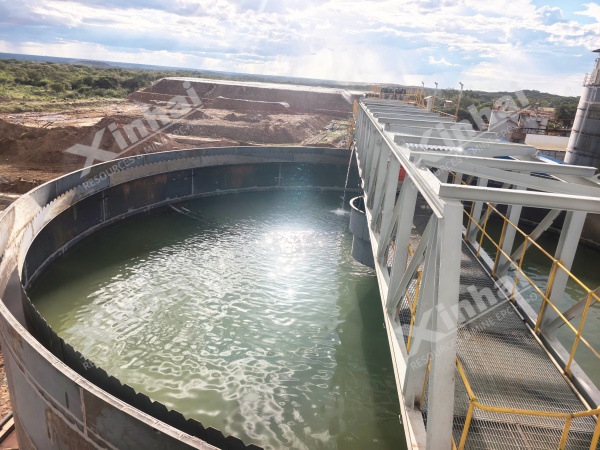
Closed-loop recycling of beneficiation wastewater is a critical component of zero-discharge systems. The entire process is built around thickening, clarification, neutralization, and water reuse.
Wastewater generated during production is first sent to thickeners and filter presses for solid-liquid separation. It then undergoes neutralization, flocculation, and multi-stage filtration to remove heavy metals and residual flotation reagents.
The treated water is completely recycled back into grinding, flotation, washing, and other production processes.
The entire water circuit operates in a closed loop with zero external discharge, conserving water resources while fully complying with environmental regulations.
| System | Main Equipment | Function |
|---|---|---|
| Tailings Reuse System | Ball mill, spiral classifier, hydrocyclone, jig, shaking table, flotation machine | Tailings regrinding and disintegration, gravity separation pre-concentration, flotation silver extraction |
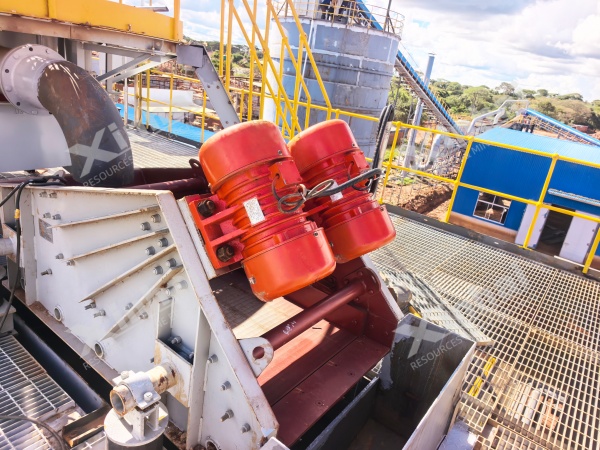
| Solid-liquid separation equipment | High-efficiency thickener, chamber filter press, disc filter press, mixing tank | Concentration and dehydration, solid-liquid separation, and reduction of water content |
| resource reuse equipment | Paste filling station, brick making machine, mixing station, conveying pump | Underground filling, building material preparation, and bulk solid waste disposal |
| Water Treatment and Recycling System | Neutralization tank, flocculation sedimentation tank, filter, return water pump station | Wastewater purification, chemical removal, and clean water recycling |
Implementing a tailings zero-discharge model can significantly improve environmental performance, operational safety, and economic returns for mining companies.
Improve overall silver recovery rates and directly increase beneficiation revenue
Reduce or even eliminate the need for TSFs, significantly lowering daily maintenance and safety management costs
Facilitate compliance with environmental inspections and support applications for sustainable mining certification
Enable mines to benefit from policy incentives related to comprehensive resource reuse projects, thereby strengthening market competitiveness
Tailings zero-discharge projects should be based on detailed testing and technical evaluation rather than rushed implementation. and technical evaluation rather than rushed implementation. Scientific testing and laboratory studies are the most critical tasks in the early stage.
Conduct comprehensive testing of tailings samples, including metal grades, mineral composition, particle size distribution, and leaching characteristics
Carry out beneficiation test work to determine the optimal residual silver recovery process and tailings reuse strategy
Customize process flowsheets based on actual mine conditions to ensure they meet production and economic targets
Prioritize cooperation with EPC service providers that offer integrated EPC capabilities to ensure successful project implementation
In summary, zero discharge of silver mine tailings is not merely an environmental protection measure. It is a comprehensive solution integrating residual silver recovery, solid waste reuse, and wastewater recycling.
This approach not only mitigates the environmental and safety risks associated with tailings storage but also transforms waste materials into valuable economic resources, delivering both environmental and economic value.
Mining, Mineral Processing, and Tailings Management Solutions — Xinhai Mining
 +86 13811510145