If you want to know more information (such as product/process price, etc.), please contact us 24-hour telephone
Zimbabwe is genuinely one of the top gold producers in Africa. It has a wide range of gold reserves. You can find easy-to-process free-milling ores there, along with refractory ores and mixtures of sulfide and oxide ores. Choosing the right gold processing equipment for the exact kind of rock you have is really important. It helps get more gold out and makes the whole operation more profitable in the end.
If you're new to how gold processing works, take a look at our other helpful article called "Gold Processing Plant in Africa: Complete Guide." It has simple background charts and clear explanations of the steps involved. Honestly, it's pretty useful if you're starting.
Most gold deposits in Zimbabwe occur as vein deposits or are hosted in shear zones. They often appear with minerals such as quartz, pyrite, arsenopyrite, talc, and even carbonaceous matter. The composition of these minerals can vary significantly, even within the same mining area. That's why, when choosing equipment, you have to think carefully about how hard the rock is, how easy it is to grind, the amount of sulfur in it, and how significant the gold bits are.
Mining work in the country ranges from small, handmade operations by local artisans to large modern plants that handle more than 1,000 tonnes every day. This wide range makes it hard to use the same equipment everywhere. It really shows why getting the size right, using modular designs, and doing solid tests on the ore early on matters so much. From what I've seen in the industry, skipping those tests often leads to big headaches later.
For extra details on how plants are laid out and the usual problems miners
face in Zimbabwe, check out our piece "Zimbabwe Gold Processing Plant
Overview."
The tough quartz veins and rocks of varying sizes require strong, compact machines. Things like jaw crushers and cone crushers work well. People usually run them in a closed loop with vibrating screens.
For smaller mines that process just 5-50 tonnes a day, mobile or easy-to-move crushers give a lot of flexibility – that's a real lifesaver in remote spots. On the other hand, bigger plants handling up to 1000 tonnes a day often go for two-stage crushing setups. These break the rock down step by step for better results.
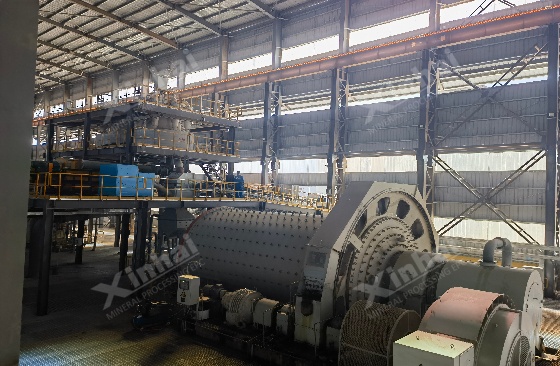
The usual setup pairs ball mills with hydrocyclones for sorting. Oxide ores don't need as fine grinding, which saves power. But sulfide ores? They demand much finer work, like getting 90% to pass through 200 mesh. Mills that save energy and well-tuned cyclone setups can cut down running costs a bunch. In my experience, paying a bit more upfront for efficient ones pays off quickly.
Tools like shaking tables and centrifugal concentrators do a great job catching bigger free gold particles. And guess what – these are pretty common in Zimbabwe's deposits. Putting gravity units right into the grinding loop helps stop gold from slipping away before the leaching stage. It's a smart move that boosts recovery without much extra effort.
When dealing with ores full of sulfides or carbon, you need flotation cells and mixing tanks. Getting the cell size right and managing the airflow properly make a huge difference. It allows better separation of the sulfides that hold the gold.
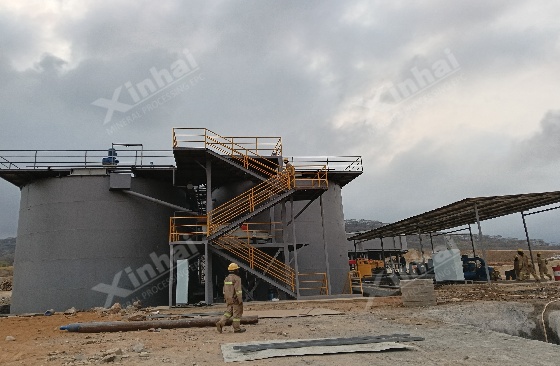
Carbon-in-Leach, or CIL, is very popular because it yields high recovery even from low-grade or tricky ores. Main parts include leaching tanks, screens for carbon, and desorption and electrowinning systems. Strong air compressors back them up, keeping everything running smoothly and steadily.
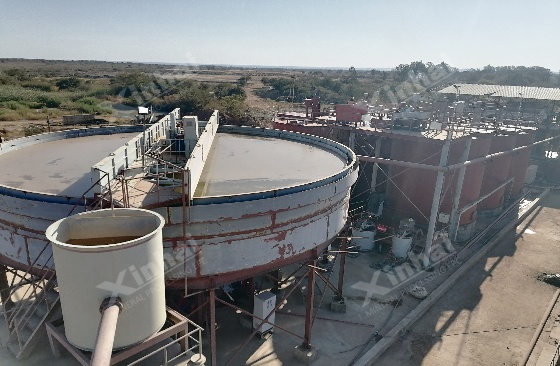
Thickeners and filter presses are becoming more common now. They help get water back and stack tailings dry. This addresses environmental rules and the central problem of water scarcity in many parts of Zimbabwe. With droughts happening more often, recycling water isn't just lovely – it's necessary.
Free-Milling Ore: Go with gravity concentration plus CIL.
Sulfide Ore: Use flotation, then grinding, followed by CIL.
Clay-Rich Ore: Add better screening and washing setups.
You really need to understand the rock's structure before buying anything. A quick lab test can save thousands down the line.
Small Scale: Choose mobile crushers, smaller ball mills, and basic gravity setups.
Medium Scale: Put together gravity and CIL systems that work as one.
Large Scale: Opt for multi-stage crushing, better flotation, and complete CIL lines.
Matching the scale to your daily output helps you avoid wasting money on oversized or undersized gear.
Price at the start isn't always smart. Things like how much energy the machines use, easy access to spare parts, and good upkeep support affect the real cost over the years. I've seen mines regret skimping on quality – repairs eat up profits fast.
Put in place systems to recycle water, handle cyanide safely, and store tailings properly. Following these rules keeps the mine running without shutdowns and helps the local area, too.
Typical Gold Processing Flow in Zimbabwe
Many gold mines in Zimbabwe use a common setup that goes like this:
Crushing → Grinding → Gravity Concentration → (Optional) Flotation → Carbon-in-Leach (CIL) → Desorption & Electrowinning → Smelting → Tailings Dewatering
For more on plant designs and different flowcharts, see "Gold Processing Plant in Africa: Complete Guide." It's got diagrams that make it easier to picture.
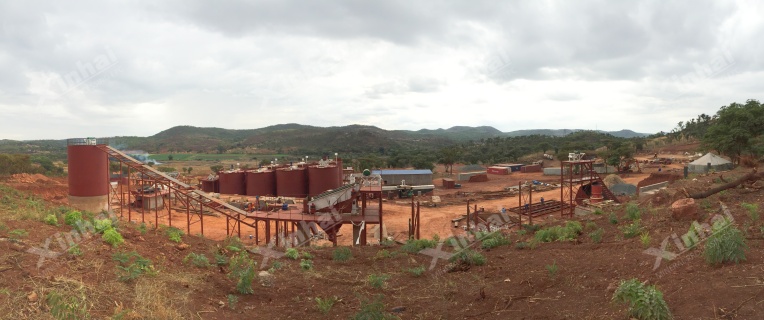
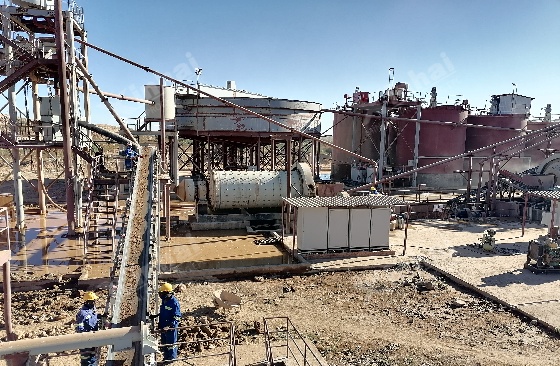
A local company invested in this 1,000 t/d plant. Xinhai acted as the EPC contractor.
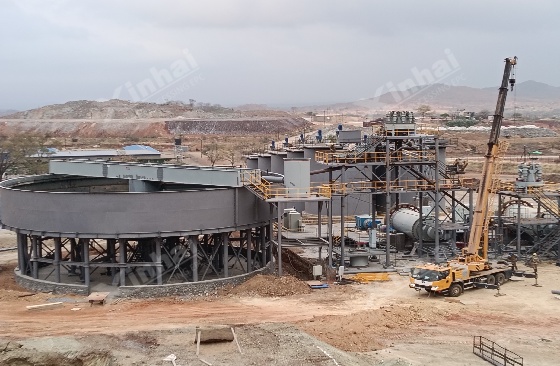
Process Overview:
Complete ore tests showed the rock was easy to leach.
They used two-stage closed-circuit crushing with a Jaw Crusher and a Cone Crusher.
Grinding happened in two stages with hydrocyclone sorting, reaching 90% passing 200 mesh.
Then the slurry thickened, and dissolution happened efficiently in eight leaching tanks.
Special air compressors kept the airlift steady and the leaching working well.
Project Results:
The plant hit its targets fast. It reached about 90% gold leaching.
Better layout meant less building work, lower overall costs, and steady running. In real-world operations, this kind of optimization makes daily life much smoother for the on-site team.
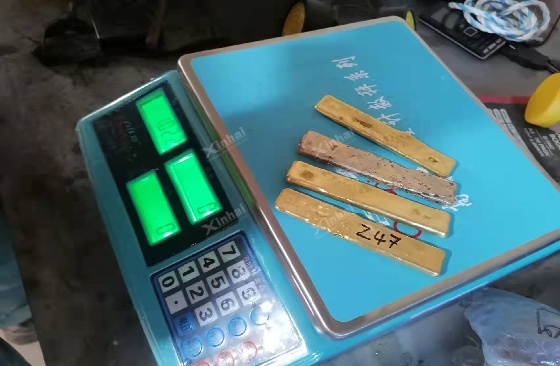
Zimbabwe's gold mining sector is growing strongly. It needs tough, reliable machines that use modern tech. When you pick equipment that fits the ore type, the size of your operation, and think about costs over many years, mines can get much more gold out and run better overall. It's exciting to see how the right choices turn challenging deposits into profitable ones.
If you want help choosing equipment or designing a plant for Zimbabwe, our team is ready. We offer ore testing, engineering services, and complete EPC services tailored to your rock type. Feel free to reach out – we'd love to discuss your project!
 +86 13811510145