If you want to know more information (such as product/process price, etc.), please contact us 24-hour telephone
If you’ve ever held a chunk of raw gold ore — that dull, rocky crap fresh from the pit — and wondered how it becomes shiny bars, the answer’s gold processing. Mining just gets the ore out; processing is what actually separates the gold from the worthless junk rock (gangue) and makes it valuable.
For miners, getting good at processing isn’t optional — it’s how you turn a promising deposit into real money, cut waste, and get the most out of what you’ve dug.
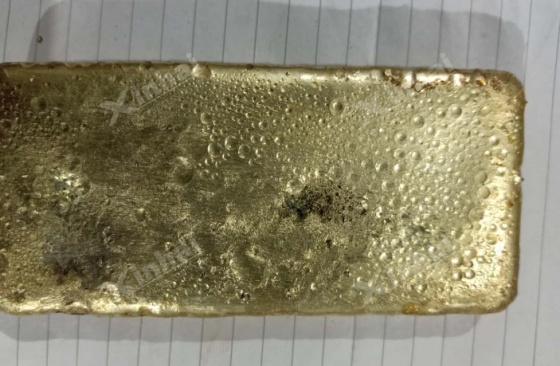
This 2026 guide lays it out simply: the main recovery methods, the gear pros actually use, and how to set up a working plant. A straightforward roadmap to understanding gold extraction after the mining part, and building a plant that runs smoothly.
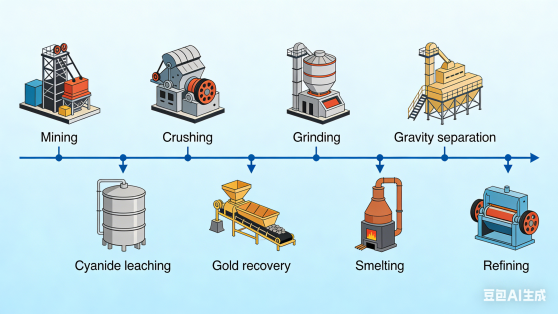
Gold processing follows a standardized, step-by-step workflow for most mines worldwide, with small adaptations based on ore type (oxide vs. sulfide). Every stage builds on the last, with the end goal of isolating gold particles and purifying them to industry standards. Here’s the core gold beneficiation process flow, used in small, medium, and large-scale operations:
Mining → Crushing → Grinding → Gravity separation → Cyanide leaching → Gold recovery → Smelting → Refining
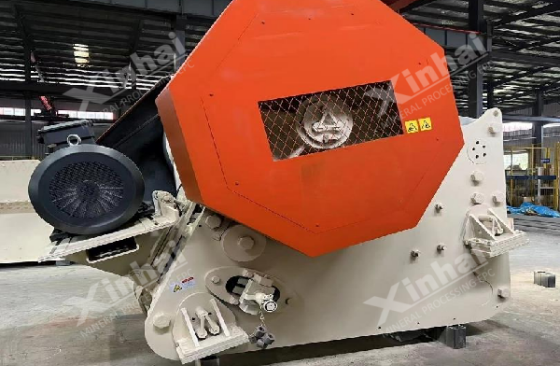
Crushing is the first physical step in processing, and its only goal is to reduce large ore boulders into small, manageable lumps—raw mined ore can be meters in diameter, and it must be broken down before grinding. It’s often a multi-stage process, and equipment choice depends on ore hardness, feed size (raw ore input), and output size (crushed ore for grinding). The two most common crushers in gold processing plants are:
Jaw Crusher
The workhorse of primary crushing—handles large boulders (feed size up to 1,500 mm) and produces coarse lumps (output size 100–300 mm). Ideal for hard, abrasive gold ore, it’s the first crusher in nearly every gold processing circuit: durable, simple, and built for continuous heavy use.
Cone Crusher
Used for secondary/tertiary crushing—takes jaw crusher output (feed size 50–200 mm) and reduces it to fine gravel (output size 10–50 mm). Perfect for high-capacity plants, it delivers uniform particle size—critical for consistent grinding in the next stage.
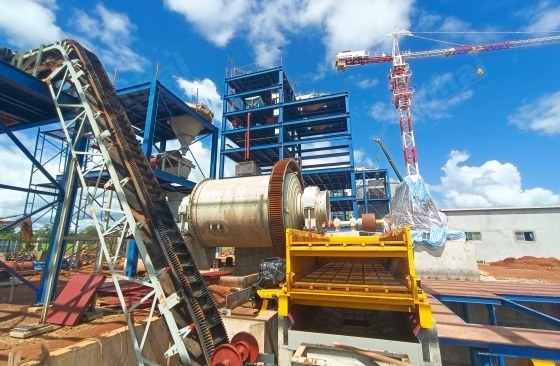
Grinding turns crushed ore lumps into a fine water-based powder (pulp)—the single most important step for gold liberation. Gold particles are trapped inside quartz and other mineral matrices in raw ore; grinding is the only way to release them at a microscopic level so that they can be separated and extracted in later stages. The finished pulp is typically 70–90% fine enough to pass through a 200-mesh screen, exposing gold particles for separation. The two primary grinding mills for gold processing are:
Ball Mill
The most widely used mill in gold ore processing is a cylindrical rotating mill filled with steel balls that crush and grind ore as it turns. It handles crushed ore and produces a uniform pulp, suitable for all ore types (oxide, sulfide, free-milling). Available in all sizes, it’s the go-to for 1–10,000+ tpd (tonnes per day) plants.
SAG Mill
Semi-Autogenous Grinding (SAG) mills are large-scale primary grinders that use the ore itself (plus a few steel balls) to grind material. They handle coarse crushed ore (up to 150 mm) in one stage, saving energy and time for high-capacity operations—staples in big gold mines worldwide.
Once ore is ground into pulp, gold separation isolates gold particles from gangue. This stage is tailored to ore type and gold particle size, and most plants use a combination of methods for maximum recovery. The three core gold extraction methods—gravity separation, flotation, and cyanide leaching—are the industry standard, each with a specific use case and professional equipment.
Gravity Separation
The oldest, most cost-effective method, based on gold’s extreme density (19.3 g/cm³) vs. gangue (2.6–3.0 g/cm³). Ideal for free-milling oxide ore with visible/coarse gold particles (10 μm+), it’s often used as a pre-concentration step to remove gold early and reduce load on later stages. Key equipment:
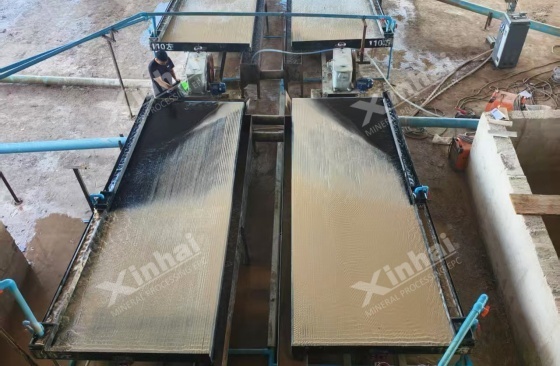
Shaking Table: A sloped, reciprocating table that separates gold in a thin water film. Gold sinks to collect in troughs; light gangue is washed away. Recovers 95% of fine gold (10–200 μm) for free-milling ore.
Centrifugal Concentrator: A high-speed device that amplifies gravity to separate ultra-fine gold (5–10 μm). A modern upgrade for recovering fine gold that would otherwise be lost—compact and efficient for all plant sizes.
Flotation
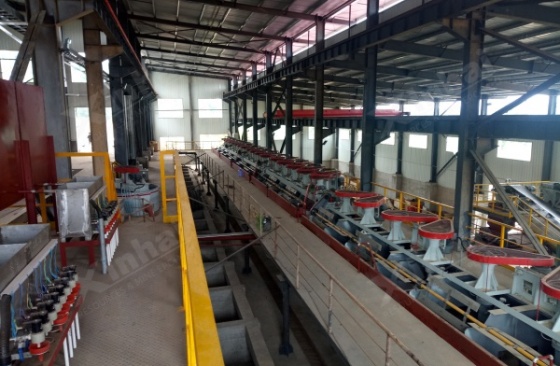
A froth-separation method exclusively for sulfide gold ore—where gold is chemically bound to sulfide minerals (pyrite, galena). Gravity separation can’t extract this gold, so flotation first separates sulfide minerals from gangue. Chemical reagents make sulfide particles water-repellent; air is blown through the pulp, creating a froth that sulfide (and gold) particles attach to. The froth is skimmed as a flotation concentrate (10–50 g/t gold grade) and processed further with leaching or smelting.
Cyanide Leaching
The most common gold extraction method worldwide is efficient for both oxide ore and sulfide ore (after flotation). It uses a cyanide solution (sodium/potassium cyanide) and oxygen to form a soluble gold-cyanide complex, which is easily recovered in later stages. It recovers up to 98% of gold and adapts to all plant sizes—from small heap leaching operations to large industrial plants. The three primary cyanide leaching methods:
Heap Leaching: Low-cost for low-grade oxide ore (0.5–2 g/t). Crushed ore is piled on a lined pad; cyanide solution is sprinkled over it, percolating through to dissolve gold. The gold-rich solution (pregnant leach solution, PLS) is collected at the pad’s bottom.
CIL (Carbon-In-Leach): Continuous process for medium/large plants. Activated carbon is added directly to leaching tanks, so gold leaching and adsorption (recovery) happen simultaneously. Eliminates a separate adsorption stage, saving time and boosting efficiency.
CIP (Carbon-In-Pulp): Two-stage process for flexible plant operation. Ore pulp is leached first to produce PLS; activated carbon is added in a separate tank to adsorb gold. Offers better control of leaching/adsorption conditions—ideal for plants with varying ore grades.
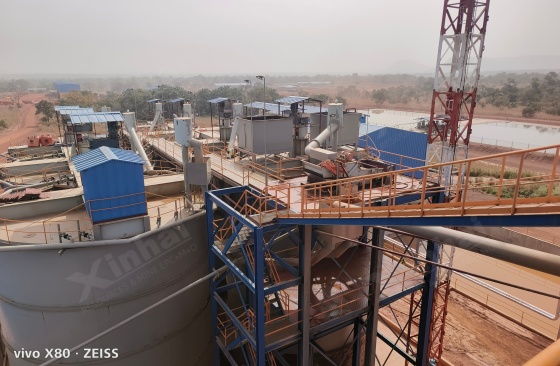
Gold recovery extracts dissolved gold from the cyanide leaching PLS and turns it into a solid gold concentrate (gold mud/carbon concentrate). It’s the step that converts soluble gold back into a physical form, critical for maximizing recovery rates in the gold beneficiation process.
Smelting and refining turn impure gold concentrate into pure, marketable gold (99.9%+ purity)—the final steps in gold processing. Smelting is a thermal process that removes impurities (zinc, sulfur, and iron) from concentrate, producing a dore bar (85–95% pure gold). Refining purifies the dore bar to the high purity required for jewelry, electronics, and investment.
Building a gold processing plant is not one-size-fits-all—three critical factors dictate every design and equipment choice: ore type, plant capacity, and target gold recovery rate. Ignoring these leads to an inefficient plant with low recovery and high operational costs. Below is the key guidance for plant design, with a focus on custom plant design—the secret to a successful, profitable operation.
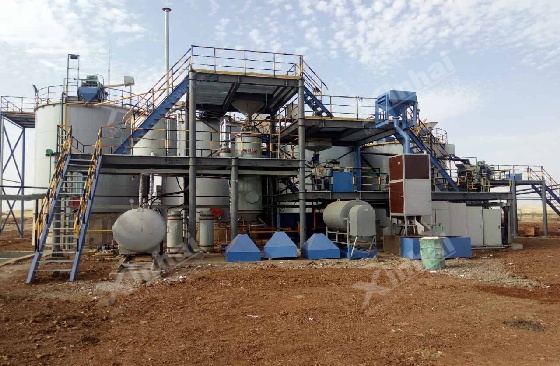
Ore Type: The most important factor. Oxide ore uses a simple circuit (crushing → grinding → gravity separation → CIL/CIP); sulfide ore requires a flotation circuit before leaching. Low-grade oxide ore may use heap leaching instead of CIL/CIP, drastically changing equipment and plant layout. A detailed ore characterization test (mineralogy, gold grade, particle size) is the first step in all plant design.
Capacity: Measured in tpd (tonnes per day), capacity dictates equipment size/quantity and plant footprint. Small plants (1–50 tpd) use compact, low-cost gear; large plants (500+ tpd) need heavy-duty, high-capacity equipment (SAG mills, multiple leaching tanks). Larger plants have economies of scale, while small plants offer flexibility for remote mines.
Recovery Rate: Target rates (90%, 95%, 98%) dictate circuit complexity. Higher rates need advanced equipment (centrifugal concentrators, electrowinning systems) and additional steps; lower rates use simplified circuits. A 1% increase in recovery can add hundreds of thousands of dollars in annual profit, making this a top priority for all miners.
There is no pre-built gold processing plant that works for every mine. Custom plant design tailors your circuit, equipment, and layout to your mine’s unique characteristics—ore type, capacity, recovery goals, budget, and location (e.g., remote mines need low-maintenance, compact equipment). Working with a specialized designer ensures your plant is optimized for maximum gold recovery, minimal operational costs, and long-term efficiency. Custom design also allows for future expansion: build a small plant now and add capacity/equipment as your mine grows.
When it comes to real gold ore processing, experience counts—and Shandong Xinhai Mining has plenty. We’ve handled over 2,000 mines in 100+ countries, completed 600+ full EPC turnkey projects, and earned repeat business from big players because we deliver good quality, stick to schedules, and tailor solutions instead of one-size-fits-all.
Looking for a trustworthy partner to boost your gold recovery and project profits? Drop us a message on WhatsApp: +86 13811510145. Tell us about your ore, site, and goals—we’ll work out a practical gold processing plan that actually fits. Can’t wait to talk!
 +86 13811510145