If you want to know more information (such as product/process price, etc.), please contact us 24-hour telephone
Two fluorspar mines can ship nearly identical ore and sell concentrate at very different prices. The difference is purity — and purity is made in the flotation circuit, not in the ground.
Fluorspar (also called fluorite) is graded by its CaF2 content. Metallurgical grade, at 60–85% CaF2, goes into steelmaking as a flux. Acid grade, above 97% CaF2, feeds the hydrofluoric acid that underpins fluorochemicals. The two grades carry very different prices.
Closing that gap from 60% to 97% is a beneficiation problem. It is decided by how tightly the plant controls two impurities — silica and calcite — through grinding, cleaning and regrind.
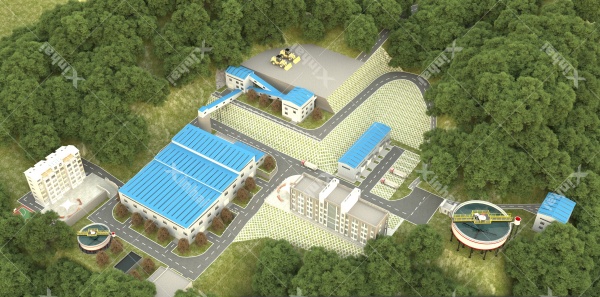
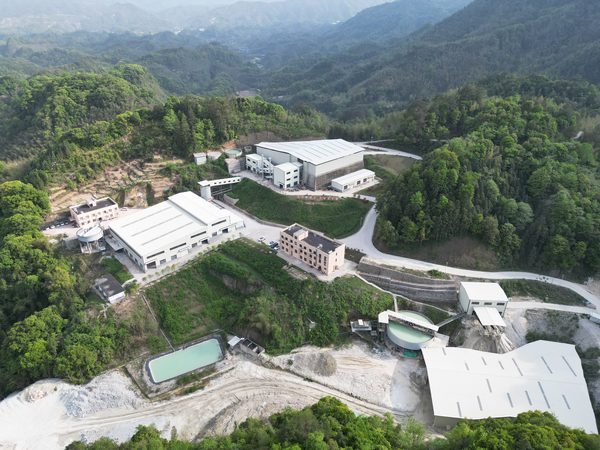
300 t/d fluorspar plant in Jiangxi, China
Fluorspar's value is set by a single number: how much CaF2 is left in the concentrate after the gangue is removed. Buyers sort the product into three grades.
| Grade | CaF2 content | Main use |
|---|---|---|
| Acid grade | > 97% | Hydrofluoric acid, fluorochemicals |
| Ceramic grade | 85–96% | Glass, ceramics, enamel |
| Metallurgical grade | 60–85% | Steelmaking flux |
The price step between metallurgical and acid grade is steep, because acid grade tolerates almost no silica or calcite. That is the whole challenge: the ore is the same, the specification is not.
Fluorspar rarely occurs alone. It is usually locked together with three gangue minerals:
Quartz (SiO2) — silica that acid plants reject because it consumes reagent and fouls the acid.
Calcite (CaCO3) — carbonate that drags calcium into the concentrate.
Barite (BaSO4) — a heavy mineral that is hard to separate by density alone.
Acid grade means holding silica and calcite close to zero. Every percentage point of impurity is a percentage point of CaF2 you cannot sell as acidspar. Liberation — the degree to which the fluorite is freed from the gangue by grinding — decides whether that purity is even reachable.
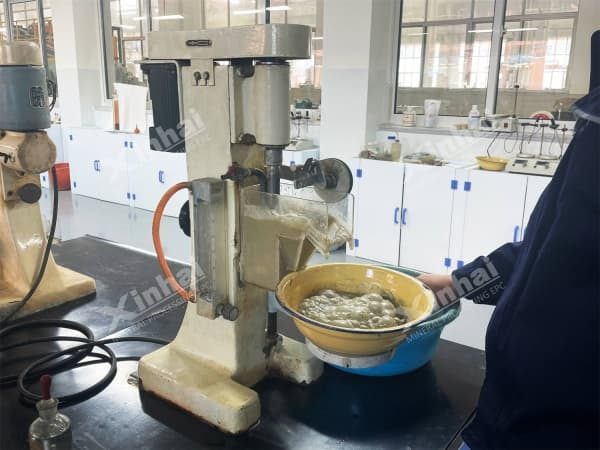
Laboratory flotation test
Flotation is the workhorse. It uses differences in mineral surface chemistry to float fluorite away from quartz and calcite. Getting to 97% is less about one clever step than about four disciplined ones:
Grind fine enough to liberate fluorite, but not so fine you over-slime it.
Regrind the rough concentrate, because the fluorite–quartz particles that survive the first pass are the ones still locked together.
Run enough cleaning stages — six to eight — each rejecting a little more impurity.
Depress the right gangue: sodium silicate to hold down quartz, tannin-type reagents to hold down calcite.
Each cleaning stage trades a little recovery for a lot of grade. The art is stopping at the point where the purity meets the acid-grade specification without giving away too much fluorite.
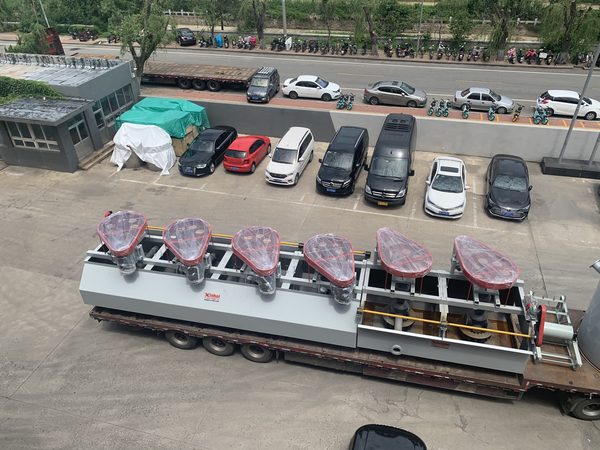
Flotation cells ready for shipment
Xinhai delivered a 300 t/d fluorspar plant in Jiangxi, China, where fluorite is closely intergrown with quartz. The flowsheet was built around one goal: cut the silica.
The plant grinds to 71% passing 200 mesh, runs one roughing and one scavenging stage, then regrinds only the rough concentrate — not the whole feed — to 90% passing 325 mesh. The reground concentrate then passes seven cleaning stages and one cleaner-scavenger stage. Grid-type ball mills, bar flotation cells and a center-drive thickener carry the circuit.
The point is the order: grind, regrind the concentrate, then clean it to specification. These results apply only to this project and should not be presented as guaranteed plant performance.
Fluorspar flotation plant on site
Acid grade fluorspar, or acidspar, is concentrate with more than 97% CaF2. It feeds hydrofluoric acid production and sells well above metallurgical grade. The premium exists because the silica and calcite must be stripped to almost nothing.
Sometimes. It depends less on the head grade than on the gangue minerals and how finely the fluorite can be liberated. A quartz-hosted ore can upgrade well; a calcite-heavy ore is harder. Testwork, not the mine's reputation, decides it.
Typically six to eight cleaning stages after regrinding the rough concentrate. Fewer stages leave silica and calcite behind; more stages waste fluorite to tailings. The exact number is set by testwork on the specific ore.
No. Gravity separation and hand sorting can pre-concentrate coarse fluorite, but the final step to 97% is almost always flotation. Flotation is what removes the fine-grained silica and calcite that density methods cannot.
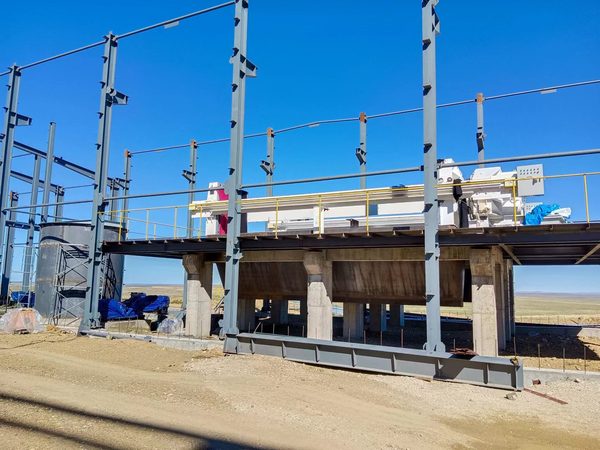
Filter press dewatering fluorspar concentrate
If your fluorspar concentrate keeps missing the acid-grade specification, the answer is usually in the circuit — the grind size, the regrind stage, or the depressant choice.
At Xinhai, we believe the right flowsheet is written in your ore, not copied from another mine.
Share your fluorspar project with us. Let's find where your recovery and your grade can both hold.
 +86 13811510145
