If you want to know more information (such as product/process price, etc.), please contact us 24-hour telephone
Mining the ore is one thing. Building the plant that turns spodumene rock into a saleable lithium concentrate is what decides whether a deposit becomes a business.
On 17 September 2026, Huayou Cobalt secured Australian FIRB approval to acquire Atlantic Lithium for about US$210 million, plus roughly US$70 million for partner stakes and offtake rights, taking about 87% of the Ewoyaa project in Ghana. Ewoyaa is planned to produce around 300,000 tonnes per year of spodumene concentrate over a 12-year mine life (Gh Extractives; International Energy Network).
A resource and a permit are only the opening. The harder question is how to build a West African concentrator that runs reliably for a decade — where process engineering, not the price, earns its keep.
A lithium concentrator is not a single machine. It is a chain of unit operations that takes run-of-mine ore and delivers a consistent, high-grade concentrate.
The line begins with comminution (crushing and grinding) to free spodumene crystals from the gangue, then flotation (a process that exploits surface-chemistry differences) lifts the lithium-bearing mineral into a concentrate. Dewatering and thickening follow, turning slurry into a handleable product and recovering process water.
Supporting systems matter as much as the line: an on-site laboratory, a tailings storage facility (TSF, an engineered impoundment for storing mine tailings), power and water supply, and the civil works that hold it together. Miss any of these and the plant stalls. For the main lithium ore types and how each is processed, see types of lithium ore and efficient process methods.
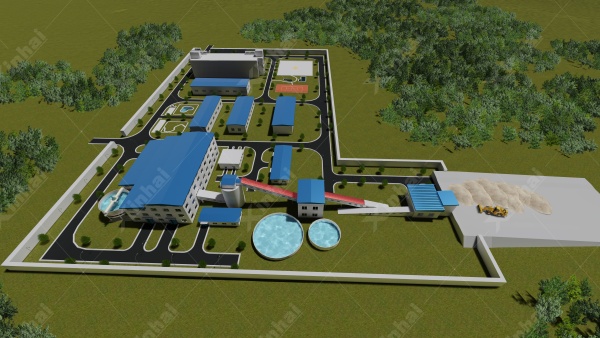
Most hard-rock lithium plants choose among three routes, and the choice sets both the capital bill and the recovery.
| Route | Capex intensity (US$10k / tpa) | Operating cost (US$/t processed) | Li₂O recovery |
| Single-stage flotation | 0.17–0.26 | 6.43–8.57 | 85–92% |
| Dense-media separation (DMS) | 0.36–0.46 | 4.00–5.00 | 78–85% |
| Combined DMS + flotation | 0.54–0.64 | 9.29–11.43 | 90–95% |
Single-stage flotation is the default for many spodumene ores, recovering 85–92% of the Li₂O. DMS runs cheaper at 4–5 USD per tonne but leaves more lithium in the tailings (78–85% recovery), so it suits coarser, higher-grade feeds. A combined circuit lifts recovery to 90–95% at higher cost — the choice when grade is marginal and every point of recovery counts.
Ranges are indicative and vary with ore, scale and location. For a fuller comparison, see lepidolite versus spodumene beneficiation.
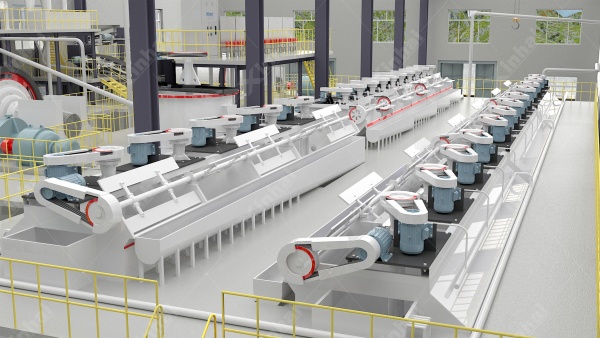
Building in West Africa is not the same as building in Australia or Canada. Three constraints shape the design.
Water is scarce across many Ghanaian districts, so closed-circuit water recovery and dry-stack tailings are design baselines, not add-ons. Grid power is unreliable, pushing plants toward diesel backup or on-site generation and raising the value of an automated, low-manning control room. The construction window is tight: equipment lead times, port logistics and one rainy season compress the schedule. A flowsheet that looks optimal on paper fails on site if it ignores these realities.
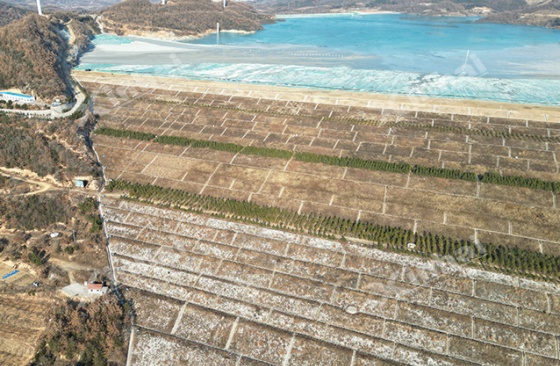
An EPC+M+O delivery model (engineering, procurement, construction, plus management and operation) earns its place here. The sequence is deliberate.
It starts with metallurgical testwork — laboratory and pilot testing that fixes the flowsheet and design parameters for the ore, including grind size and reagent suite. That feeds bankable engineering, then equipment manufacturing and procurement, with long-lead items ordered early. Civil works and installation follow, then commissioning, run up section by section with trained local crews. The same team stays through operation, so commissioning lessons feed back into the plant. Xinhai's EPC+M+O services cover the full delivery scope.
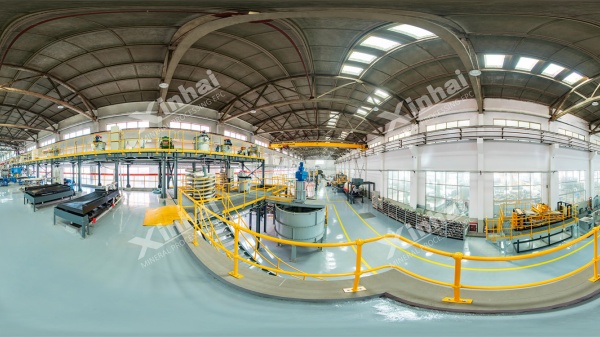
Zimbabwe shows the model on African lithium and rare-metal ores: a 2 Mtpa spodumene concentrator and a separate 1,200 t/d pollucite plant with a tailings dry-stacking retrofit were both delivered there. The pollucite project paired processing with dry-stack tailings to cut water demand and avoid a conventional tailings dam.
These results apply only to the submitted samples and should not be read as guaranteed plant performance elsewhere. See more project cases.
A spodumene concentrator upgrades spodumene-bearing ore into lithium concentrate, typically 5.5–6.5% Li₂O, through crushing, grinding and flotation. It sits between the mine and the chemical plant that makes battery-grade lithium compounds.
Capital intensity for hard-rock plants typically runs US$1,700–6,400 per annual tonne of capacity, with operating cost around US$4–11 per tonne processed. A West African site adds logistics, power and water premiums on top.
Flotation exploits the surface-chemistry difference between spodumene and gangue, recovering 85–95% of the lithium as a high-grade concentrate. Dense-media separation is cheaper but leaves more lithium in the tailings, so flotation remains the core of most hard-rock lithium circuits. See our spodumene and feldspar separation technology page for detail.
Water scarcity, unreliable grid power and a single rainy season change the design. Closed-circuit water recovery, dry-stack tailings and on-site power become baselines rather than options, and equipment logistics must be planned months ahead.
If you are planning a spodumene or hard-rock lithium project in Africa, we would welcome a conversation about the technical questions — from ore testwork and flowsheet selection to equipment supply and commissioning.
At Xinhai, we believe the right plant is built around your ore and site, not a standard flowsheet copied from another continent.
Share your project with us. Let's work through the engineering together.
 +86 13811510145